Smart Commuting Tips for the Chicago Area
Chicago commuting can be brutal or manageable. Here's insider knowledge.
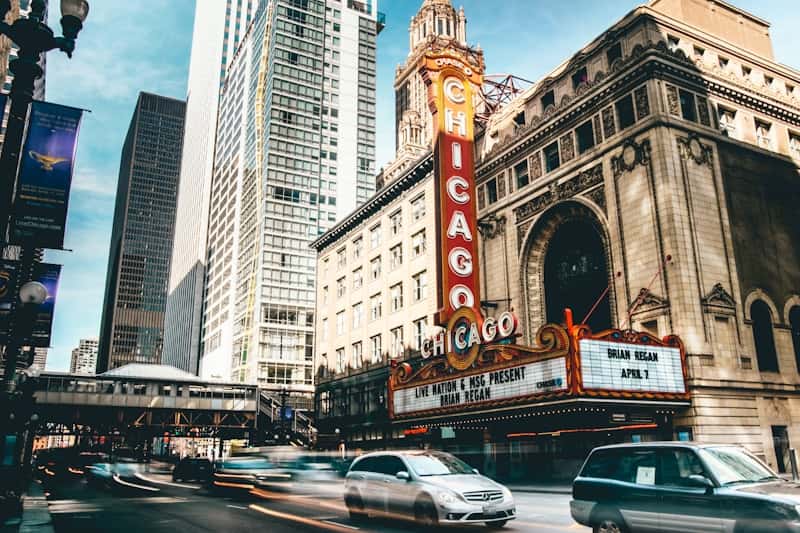
Smart Commuting Tips for the Chicago Area
Commuting in Chicagoland does not have to destroy your soul, but it does punish vague planning. The biggest improvement usually comes from reducing friction, not from finding one magical shortcut.
Start with door-to-door reality
Your commute is not just train time or highway time. It is:
-
getting out the door
-
station parking or bus timing
-
transfer wait
-
the walk from arrival point to work
-
the return trip when energy is lower
If you only calculate the prettiest version of the trip, you underprice the real cost fast.
Public transit strategy
CTA
CTA works best when the whole route is designed around it, not when it is used as a rescue plan after everything else goes wrong.
Good habits:
-
get your Ventra setup handled before the week gets busy
-
check service status before leaving, not while already rushing
-
identify which part of the route is the true failure point
-
learn one backup route instead of trying to memorize the whole system
Metra
Metra can dramatically improve suburban commuting, but only if the station routine is workable.
Good habits:
-
test real train options at your actual commute hours
-
learn which departures are more reliable for your schedule
-
understand station parking pressure before you commit to the route
-
build a backup for late meetings or missed trains
Pace and connecting buses
Suburban bus links matter more than people expect, especially when a "good train suburb" still has a bad final leg.
Check the connection before you assume the suburb works.
Driving strategy
I-PASS and toll logic
If you drive toll roads often, get the system set up early. Small daily frictions add up quickly when you commute all month.
Navigation
-
use real-time traffic tools, but do not let them constantly reroute you into chaos
-
learn two or three practical alternates instead of chasing every suggested shortcut
-
remember that small crashes, weather, and school schedules can change a route fast
Parking
Downtown parking can quietly destroy the math of a "good" commute.
Compare:
-
daily garage price
-
monthly pass cost
-
walking distance from the garage
-
whether transit plus a short walk is actually simpler
The best commute may be a different schedule
If your job has any flexibility, schedule often matters more than route tricks.
-
earlier starts can reduce both road and transit stress
-
one or two remote days can change the whole weekly experience
-
meeting blocks at midday can reduce rush-hour pressure on both ends
A lot of people treat schedule flexibility like a perk when it is really a commute lever.
Make the weekly routine easier
-
keep one charger and one backup snack in your bag
-
leave work shoes or extra layers at the office if that helps
-
refill transit cards and toll balances before they become a problem
-
choose one default lunch strategy so every commute day does not add food stress
-
review your route after bad weeks instead of assuming misery is fixed
When it is time to rethink the whole setup
Sometimes the right answer is not a better commute hack. It is a different housing or work arrangement.
Ask yourself:
-
is the commute sustainable five days a week?
-
is the cost of the commute cancelling out cheaper housing?
-
are you losing too much family or recovery time?
-
would moving closer or changing schedule solve more than another app ever will?
That is the moment to compare the bigger picture, not just shave off eight minutes.
Useful official tools
-
CTA: transitchicago.com
-
Metra schedules and stations: metra.com
-
Illinois Tollway and I-PASS: illinoistollway.com
For the larger relocation tradeoff, pair this with our moving to Illinois guide.
Bottom line
Chicago-area commuting becomes more manageable when you stop treating it like a daily improvisation. Reduce one friction point at a time, and the whole week usually gets better.
Reviewed by the Illinois Community editorial team. Spotted an error? Send a correction.